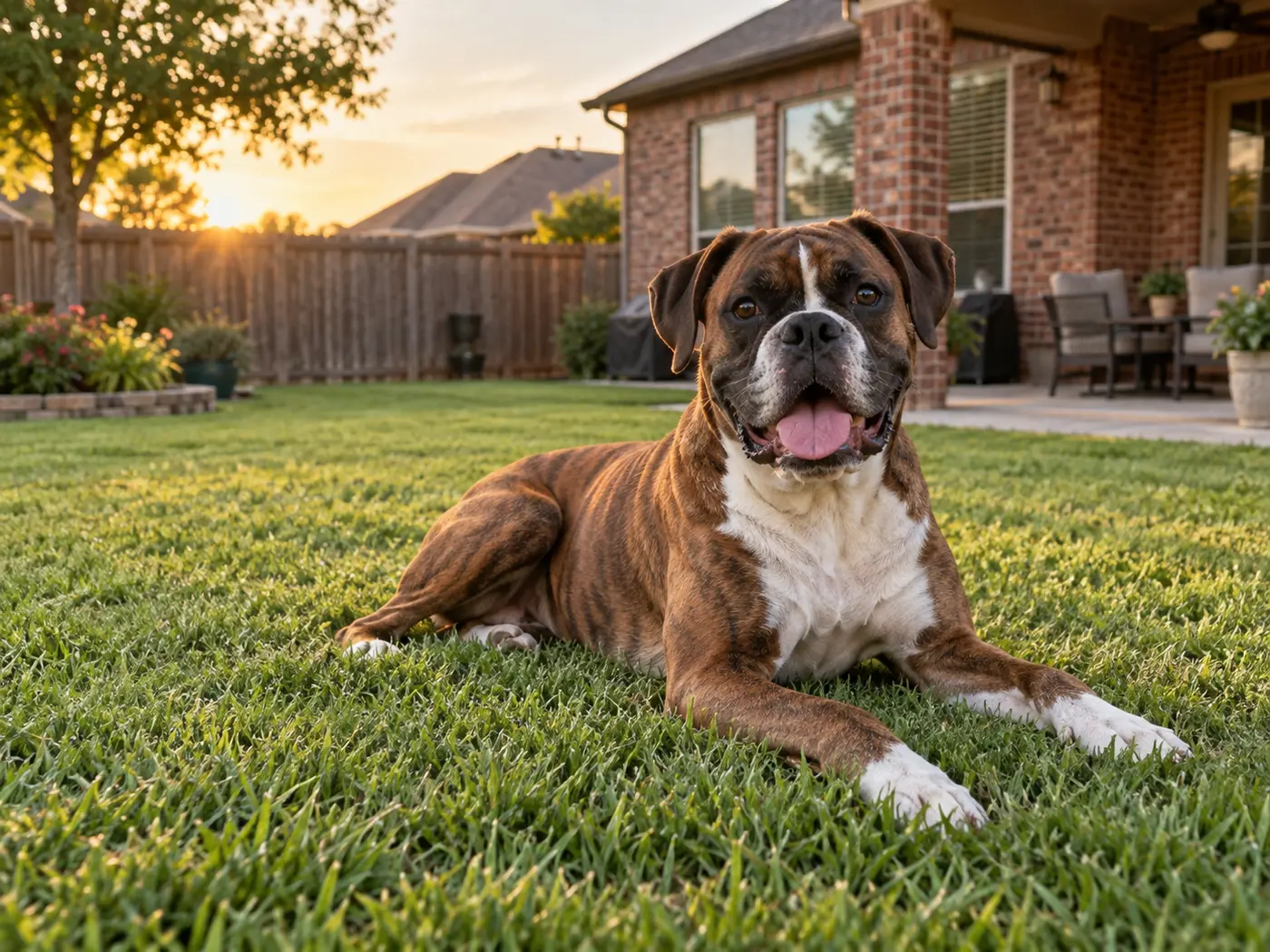
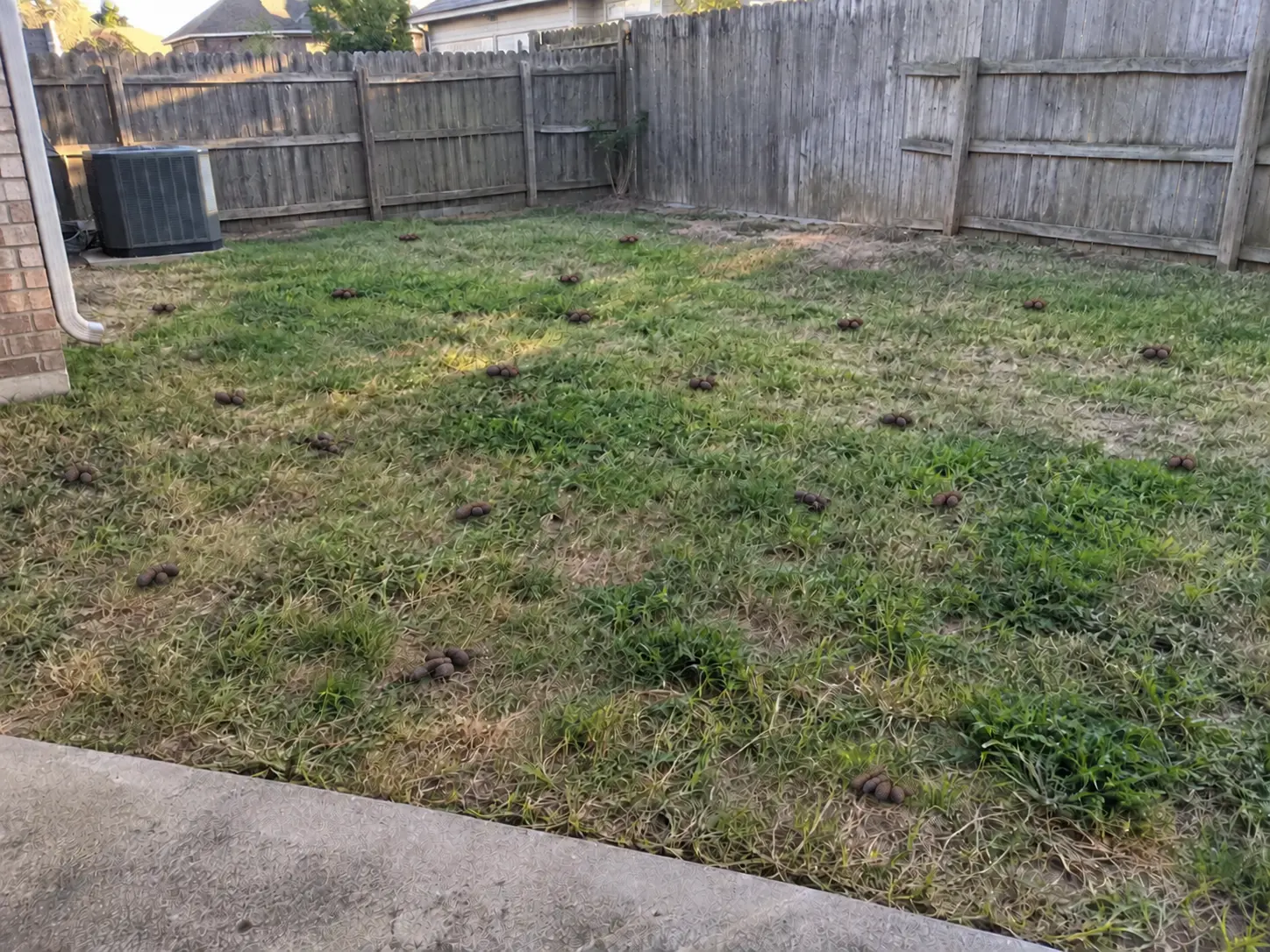
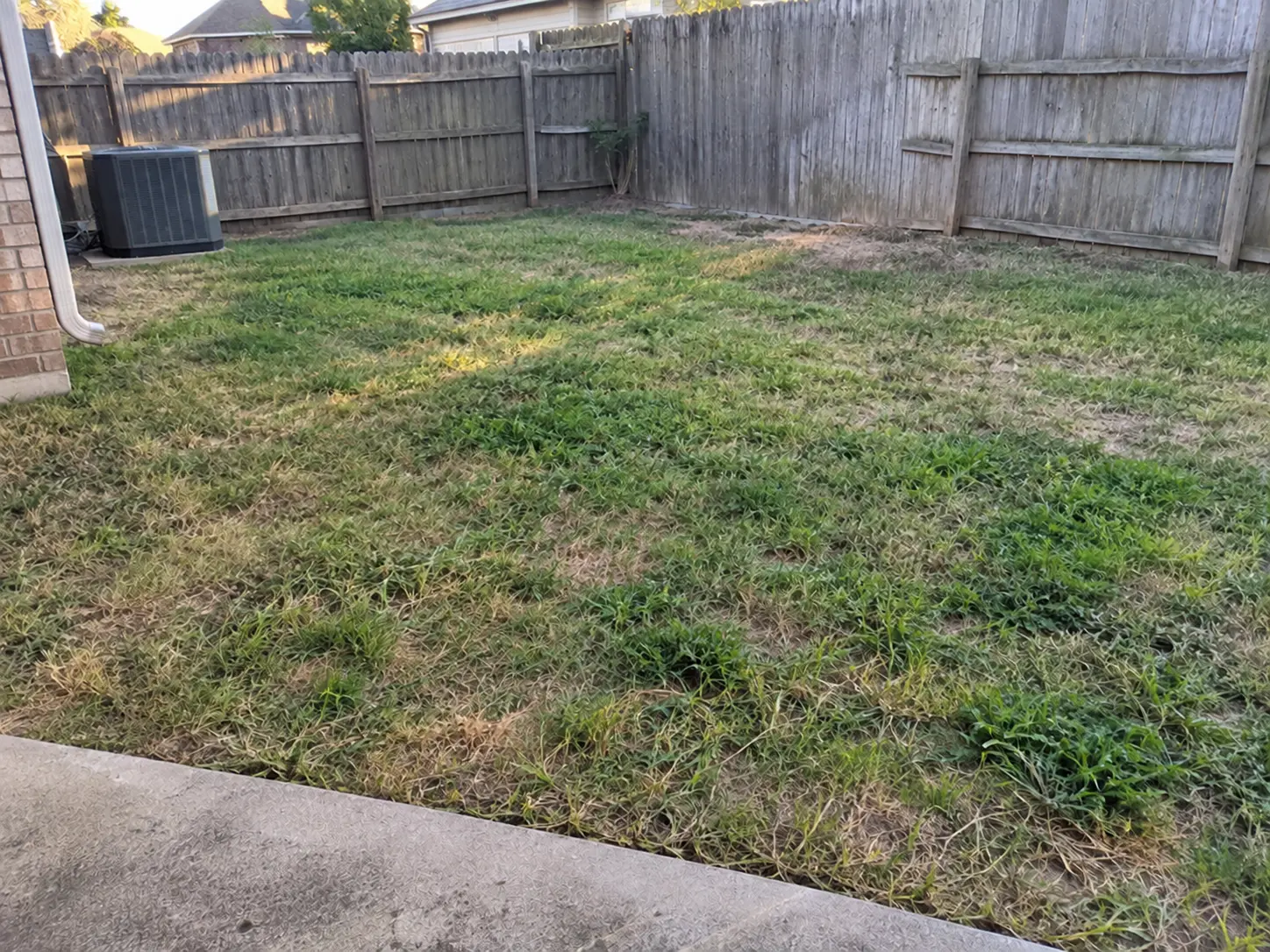
One forgotten pile is not a backyard emergency. The problem is repetition. Dogs keep going, piles accumulate, weather spreads what was concentrated, and the task gets easier to avoid. Prompt, routine removal breaks that cycle before it becomes gross, inconvenient, or risky.
THE INVISIBLE PROBLEM
Parasites can turn soil into a waiting room.
Some infected dogs pass parasite eggs or larvae in their feces. Roundworms and hookworms are two well-known examples. Once waste is left on the ground, the concern is no longer limited to the pile itself: the surrounding soil can become contaminated, and some parasite stages can remain in the environment after the visible waste is gone.
That is why the practical advice is so unglamorous and so effective—remove feces promptly. It reduces the time waste spends in the yard and the opportunity for contamination to spread. Routine pickup matters especially in yards shared by multiple dogs or visited by neighborhood pets.
Health guidance: American Veterinary Medical Association.
DOGS WILL BE DOGS
Your dog investigates the yard with its nose—and sometimes its mouth.
A pile that seems easy for a person to avoid may be fascinating to a dog. Dogs sniff, lick, paw at, and sometimes eat feces. That behavior can create another chance for contact with parasites or infectious organisms, particularly when several dogs use the same space.
Removing waste quickly does not replace veterinary care, parasite prevention, or vaccines. It does remove an obvious source of exposure from the place your dog visits every day. Think of scooping as basic backyard hygiene: one simple layer in a larger plan to keep pets healthy.
The AVMA advises preventing dogs from sniffing, licking, or swallowing other animals’ feces.
RAIN DOESN’T CLEAN IT UP
Stormwater can carry the problem beyond your fence.
Rain may make a pile less visible, but that is not the same as making it harmless. Runoff can move bacteria and nutrients from pet waste across driveways, into storm drains, and eventually toward creeks, lakes, and other waterways. In many neighborhoods, storm drains lead to local water without the same treatment household sewage receives.
Picking up before the next North Texas downpour is a small household action with a community benefit. Bag the waste, dispose of it according to local rules, and prevent it from becoming part of the next wave of runoff.
The U.S. Environmental Protection Agency identifies pet waste as a source of bacteria and nutrients in runoff.
NOT FREE FERTILIZER
Dog poop is not the lawn food people hope it is.
It is tempting to compare dog waste with manure used in agriculture, but raw dog feces sitting in a residential yard is not finished compost or a balanced lawn treatment. Accumulated piles can smother grass, leave residue, and make routine mowing and watering less sanitary.
If you want to feed the turf, use a lawn product or properly finished compost intended for that purpose. Let the dog poop leave in a bag.
YOUR NOSE ALREADY KNOWS
Odor makes the whole yard feel dirty.
Heat and moisture make an old pile everybody’s business. In a Southern DFW summer, odors can build quickly—especially in shaded corners, dog runs, and smaller yards where waste is concentrated. The smell can drift toward the patio, neighboring fences, open windows, and outdoor furniture.
A weekly removal rhythm prevents a scattered mess from becoming the yard’s defining feature. You should smell cut grass, dinner on the grill, or absolutely nothing—not spend a cookout wondering where that smell is coming from.
UNWANTED GUESTS
Waste and odor can attract nuisance pests.
Flies are drawn to decaying organic material, and a yard with accumulated feces gives them more places to feed and breed. Other scavenging insects may investigate it too. No single cleanup will make every outdoor bug disappear, but removing the material that attracts them is a sensible place to start.
This is another reason frequency beats heroic once-a-season cleanup. The less time waste sits, the less time it is available to become part of the backyard pest cycle.
SMALL HANDS. BARE FEET.
Children and guests do not know where every pile is hiding.
You may know the dog’s favorite corner. A child chasing a ball, a neighbor crossing the grass, or a guest walking to the patio does not. Children also play closer to the ground and are more likely to touch soil and then touch their faces. Removing feces reduces the chance of accidental contact and makes the yard more welcoming.
Prompt pickup is not about panic. It is about controlling the obvious thing you can control. A clean play area lets everyone use the space without turning every step into a careful inspection.
SOUTHERN DFW, THIS ONE’S FOR YOU
Local routes. Familiar neighborhoods. Cleaner Saturdays.
We grow neighborhood by neighborhood so routes stay dependable and communication stays personal. Enter your ZIP before checkout to confirm your address is currently on the route.
THE MOWER IS NOT A MAGIC WAND
Shoes, paws, and mower wheels spread the mess.
Stepping in dog poop is the classic backyard disaster because the problem immediately travels: across the patio, into the car, onto rugs, or through the house. Dogs can track residue on paws too. And mowing over a pile does not eliminate it—it breaks it apart and can spread it over the mower deck and nearby grass.
The best sequence is simple: scoop first, enjoy or mow second. When the yard is consistently clean, you stop scanning the ground like it is a minefield every time you walk outside.
THE CHORE COMPOUNDS
Waiting turns five minutes into a weekend project.
Dog waste is a recurring task. Skipping one round does not cancel the next round; it stacks them together. Old piles become harder to spot, wet weather softens them, tall grass hides them, and each new deposit adds another reason to postpone the job.
A weekly schedule keeps the workload predictable. That is the real value of routine service: not one dramatic cleanup, but never letting the yard reach dramatic-cleanup status in the first place.
THE BIGGEST COST
A dirty yard steals the reason you have a yard.
The backyard is supposed to be usable space: morning coffee, fetch, grilling, gardening, birthday parties, and a place for the kids to run. When the ground is dotted with dog waste, people avoid it. The yard becomes a view through the window instead of part of the home.
This is the reason that matters most day to day. Removing the poop gives the space back. You do not have to love scooping—or even remember scooping—to have a yard that is ready when you are.
THE DIRTY-MATH CALCULATOR
What is the chore costing you?
Use your real routine. We’ll turn the piles and cleanup time into a monthly picture.
NO FINE-PRINT SURPRISES
Questions people ask before starting.
Is the service prepaid?
Yes. Your first four weekly visits are prepaid: $88 plus tax for 1–2 dogs, $104 plus tax for 3 dogs, or $120 plus tax for 4 dogs. Service then renews every four weeks until you cancel.
Is there an initial cleanup charge?
Routine pricing assumes the yard has been cleaned within the last 30 days. If there is unusually heavy buildup, we confirm any one-time cleanup charge before doing extra-cost work.
Do I need to be home?
No. We only need safe access to the service area and all dogs secured away from the yard during the visit.
What happens if it rains?
Light weather may not stop service. If conditions make cleanup unsafe or ineffective, we communicate the route change and move the visit to the next workable time.
Where does the waste go?
We securely bag the waste and place it in your outdoor trash bin.
Can I cancel?
Yes. There is no long-term contract. Cancel before your next four-week renewal to stop future charges.
ENOUGH READING ABOUT POOP.
Let’s get it out of your yard.
We pick up dog waste every week across select Southern DFW neighborhoods, double-check the lawn, sanitize our equipment, secure the gate, and text you when the job is done.
for up to 2 dogs
$88 plus applicable tax prepaid every 4 weeks · no contract · cancel before renewal
Sources & a sensible note
This article provides general educational information, not veterinary or medical advice. If a person or pet may have been exposed or is ill, contact an appropriate health professional.